
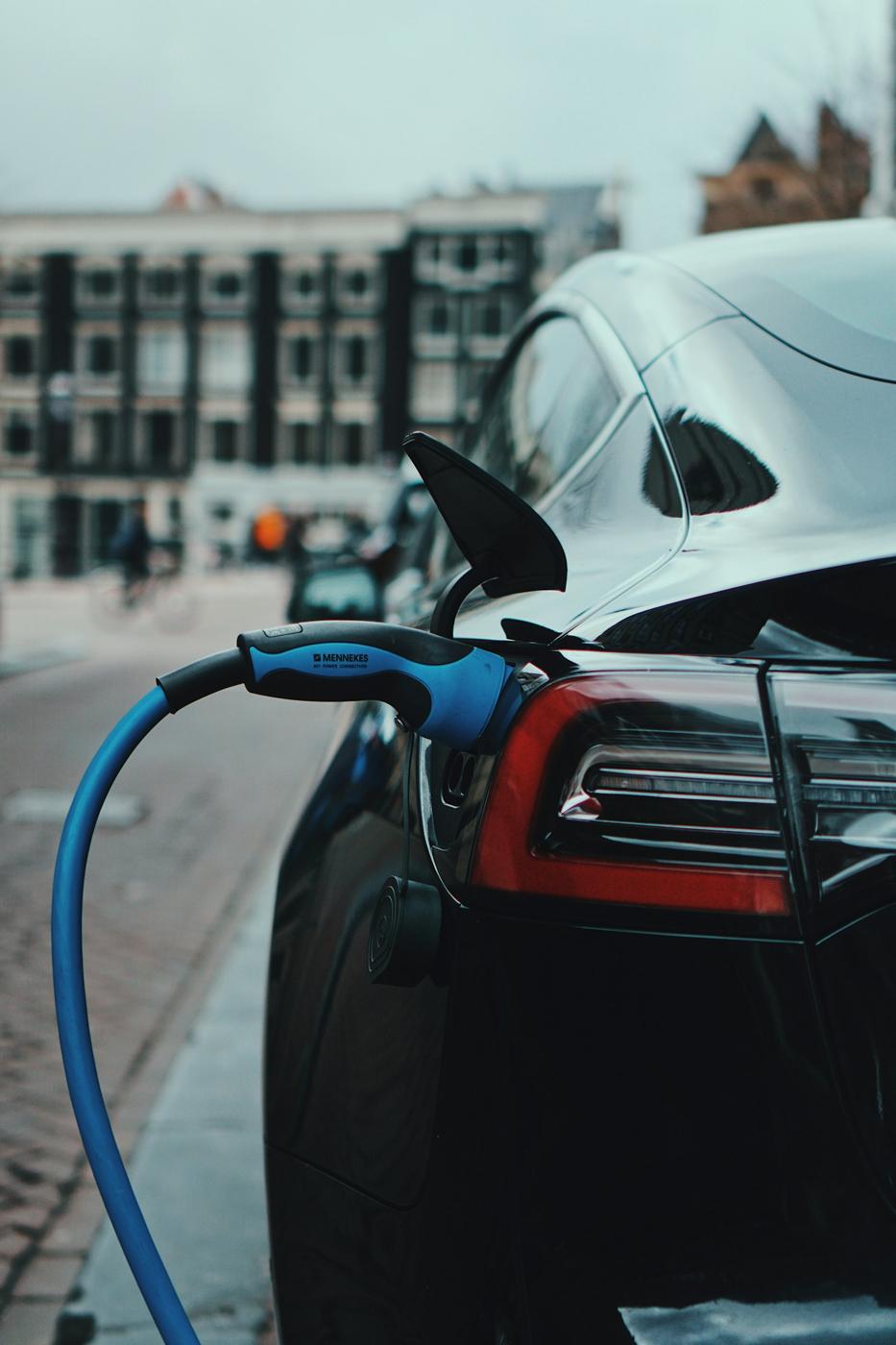
How to Charge an Electric Car Without a Garage or Home Charger
Renting, living in an apartment or parking on the street? Here are your real charging options in 2026, what each one costs, your legal rights, and a calculator to see if an EV still saves you money.
Most EV owners charge in their own garage or driveway, overnight, for the price of home electricity. But millions of Americans rent, live in apartments or park on the street. For them, the question is simple: can you live with an electric car if you can’t plug it in at home?
The answer is yes for many drivers, but it takes a plan, and it costs more than charging at home. This guide walks through every option, from a regular outlet to curbside chargers, with real 2026 prices, so you can decide whether an EV, a plug-in hybrid or a regular hybrid fits your life.
Sources: U.S. Census Bureau 2025 American Community Survey, as reported by Axios; Plug In America (right-to-charge, May 2026); AAA (November 24, 2026); EIA (August 2026); NYC DOT (August 2026).
The short answer
Without home charging, most drivers combine two or three of these: free or cheap charging at work, Level 2 chargers near home or where they shop, a curbside charger if their city has them, and a weekly DC fast-charging stop. If you can get a regular outlet where you park, even a slow Level 1 connection covers about 40 miles a night, which is enough for many commuters.
What changes is the price. Public charging averages about 42 cents per kWh according to AAA, more than twice the U.S. average home price of about 18 cents. If you rely only on fast chargers, a fuel-efficient gas car or hybrid can actually be cheaper to fuel.
Your charging options, compared
| Option | Speed | Typical price | Best for |
|---|---|---|---|
| Regular outlet where you park (Level 1) | About 5 miles of range per hour | Home price, about 18¢/kWh (or what your landlord charges) | Commuters with an outlet in a carport, garage space or driveway |
| Charger at your building (Level 2) | About 25 miles per hour | Set by the building; often between home and public prices | Apartment and condo residents; ask your landlord or HOA |
| Workplace charging | Level 1 or Level 2 | Often free or low cost | Anyone who drives to work and parks for the day |
| Curbside and streetlight chargers | Level 2, some fast chargers | Varies by city; NYC DOT fast chargers cost 39¢/kWh | Street parkers in cities with programs (New York, Los Angeles, San Francisco) |
| Public Level 2 (stores, garages, hotels) | About 25 miles per hour | Sometimes free; otherwise per hour or per kWh | Topping up while shopping, at the gym or overnight in a garage |
| DC fast charging | 100–200+ miles in about 30 minutes | About 54¢/kWh on average | A weekly fill-up, or when you are in a hurry |
Sources: U.S. Department of Energy (charging speeds); NYC DOT PlugNYC (39¢/kWh); Paren Q3 2026 via our public charging cost guide (fast-charging average). For a full breakdown of networks and memberships, see public EV charging cost.
Calculator: what will charging cost you?
Set how much you drive and where you plan to charge. The calculator compares your mix with charging at home and with a 30-mpg gas car.
Estimates. Fast charging at 54¢ per kWh (Paren, Q3 2026). “Other charging” covers public Level 2, curbside or building chargers; the default is AAA’s U.S. average of 42¢ per kWh for public charging. Home: 18.2¢ per kWh (EIA) plus about 10% charging losses. Gas car: 30 mpg at $3.61 a gallon (AAA, November 24, 2026).
Your right to charge: what the law says
A “right-to-charge” law limits how much a landlord, condo board or homeowners association can stop you from installing a charger at your parking space. These laws do not give you a free charger: you usually pay for the equipment and installation, follow the building’s safety and insurance rules, and get written approval first.
According to Plug In America, these states and Washington, D.C., have right-to-charge laws:
Protect owners and renters
- California
- Colorado
- Connecticut
- Illinois
- Oregon
- Washington, D.C.
Mainly protect owners
- Florida, Hawaii, Maine
- Maryland, Massachusetts, Michigan
- New Jersey, New York, North Dakota
- Utah, Virginia, Washington
Source: Plug In America, right-to-charge policies (updated May 2026). Each law has its own conditions; check your state’s statute or ask a local attorney before relying on it.
How to ask your landlord or HOA for a charger
- Check what already exists. Look for outlets near your space, chargers in the garage, or electrical panels with spare capacity. A 120-volt outlet may be all you need.
- Make it easy to say yes. Offer to pay for the charger and a licensed electrician, and to use a networked charger that bills your own electricity use. See typical installation costs.
- Mention the benefits for the building. EV charging is a selling point for future tenants and buyers.
- Put it in writing. Agree on who owns the charger, who pays for electricity and repairs, and what happens when you move out.
- Know your state’s law. In right-to-charge states, the building generally must respond within a set time and cannot refuse without a valid reason.
Curbside and streetlight charging is growing
Some cities now put chargers right at the curb, so street parkers can charge near home. New York City ran a curbside pilot with 88 Level 2 charging points that were in heavy use, and in August 2026 announced 600 more across all five boroughs over three years, bringing the network to nearly 700. The price has not been set yet; the city’s own fast chargers cost 39 cents per kWh.
Los Angeles has added chargers to streetlights, with about 600 locations by fall 2023, according to the U.S. Joint Office of Energy and Transportation. San Francisco is launching a curbside charging permit program aimed at renters and people in multifamily buildings. If you live in a large city, check your transportation department’s website: many let residents request a charger on their street.
Real-world examples
Fast charging only
800 miles a month, compact electric SUV (240 kWh), all at fast chargers.
About $130 a month, compared with about $96 in a 30-mpg gas car. Charging at home would cost about $49.
Free charging at work
Same driver, half the charging free at work, half at fast chargers.
About $65 a month, cheaper than the gas car and close to the cost of charging at home.
New York street parker
Same driver, all charging at NYC DOT fast chargers (39¢ per kWh).
About $94 a month, roughly the same as the gas car. A curbside Level 2 charger near home makes life easier.
Estimates using the prices in the calculator above.
Tips to make it work
- Build charging into your routine: plug in while you shop, at the gym, at work or at a parking garage overnight.
- Ask your employer. Workplace charging is often free or cheap, and a full day on Level 2 refills most daily driving.
- Choose an efficient EV. A car that uses 26 kWh per 100 miles costs about 30% less to charge than a 36 kWh large SUV. Our car finder shows each model’s efficiency.
- Charge to about 80% at fast chargers. The last 20% is slow; see how long charging takes.
- Look at memberships if you fast-charge often; some networks offer lower prices for a monthly fee.
- Consider a plug-in hybrid or hybrid. A plug-in hybrid can run on gas when you can’t charge, and a regular hybrid needs no charging at all. Compare them in hybrid vs plug-in hybrid vs electric.
Is an EV right for you without home charging?
Can work well if
- You can charge at work or near home for free or cheap
- You have a regular outlet where you park
- Your city has curbside or garage chargers
- You drive a moderate number of miles
Think twice if
- Fast chargers would be your only option
- The nearest chargers are often busy or broken
- You drive long distances every day
- You can’t spare time for weekly charging stops
Frequently asked questions
Can you own an electric car without a garage?
Yes. Many owners charge at work, at public Level 2 chargers, at curbside chargers or at fast chargers once a week. It takes more planning than charging at home, and public charging usually costs more.
Can I use an extension cord to charge my EV from my apartment?
Automakers generally advise against using household extension cords, because they can overheat over many hours of charging. Running a cord across a sidewalk can also break local rules. Ask your landlord about a dedicated outlet or charger instead.
Can my landlord refuse to let me install a charger?
It depends on your state. California, Colorado, Connecticut, Illinois, Oregon and Washington, D.C., protect renters’ right to install a charger under certain conditions, according to Plug In America. In other states, landlords can usually say no, but many agree if you pay for installation and electricity.
How much does it cost to charge an EV without home charging?
Public charging averages about 42 cents per kWh, and DC fast charging about 54 cents. For a compact electric SUV driving 1,000 miles a month, that is about $126 to $162 a month, compared with about $60 charging at home. Free workplace charging can bring it down a lot.
Is a plug-in hybrid better if I can’t charge at home?
Often, yes. A plug-in hybrid drives on electricity when you can charge and on gas when you can’t, so you never depend on finding a charger. A regular hybrid is the simplest choice if charging would be hard every week.
Our complete guides: Public EV Charging Cost, Cost to Charge an EV at Home, Level 1 vs Level 2 Charging, EV Time-of-Use Rates, EV and Hybrid Car Finder.
- Axios: EV ownership among renters and homeowners (Census ACS 2025)
- Plug In America: right-to-charge laws by state
- NYC DOT: expansion of curbside EV charging (August 2026)
- NYC PlugNYC: charging locations and fees
- Joint Office of Energy and Transportation: community charging (Los Angeles streetlights)
- San Francisco: curbside EV charging program
- IRS: alternative fuel vehicle refueling property credit
- AAA: EV charging and gas prices
- U.S. Department of Energy: charging for multifamily housing